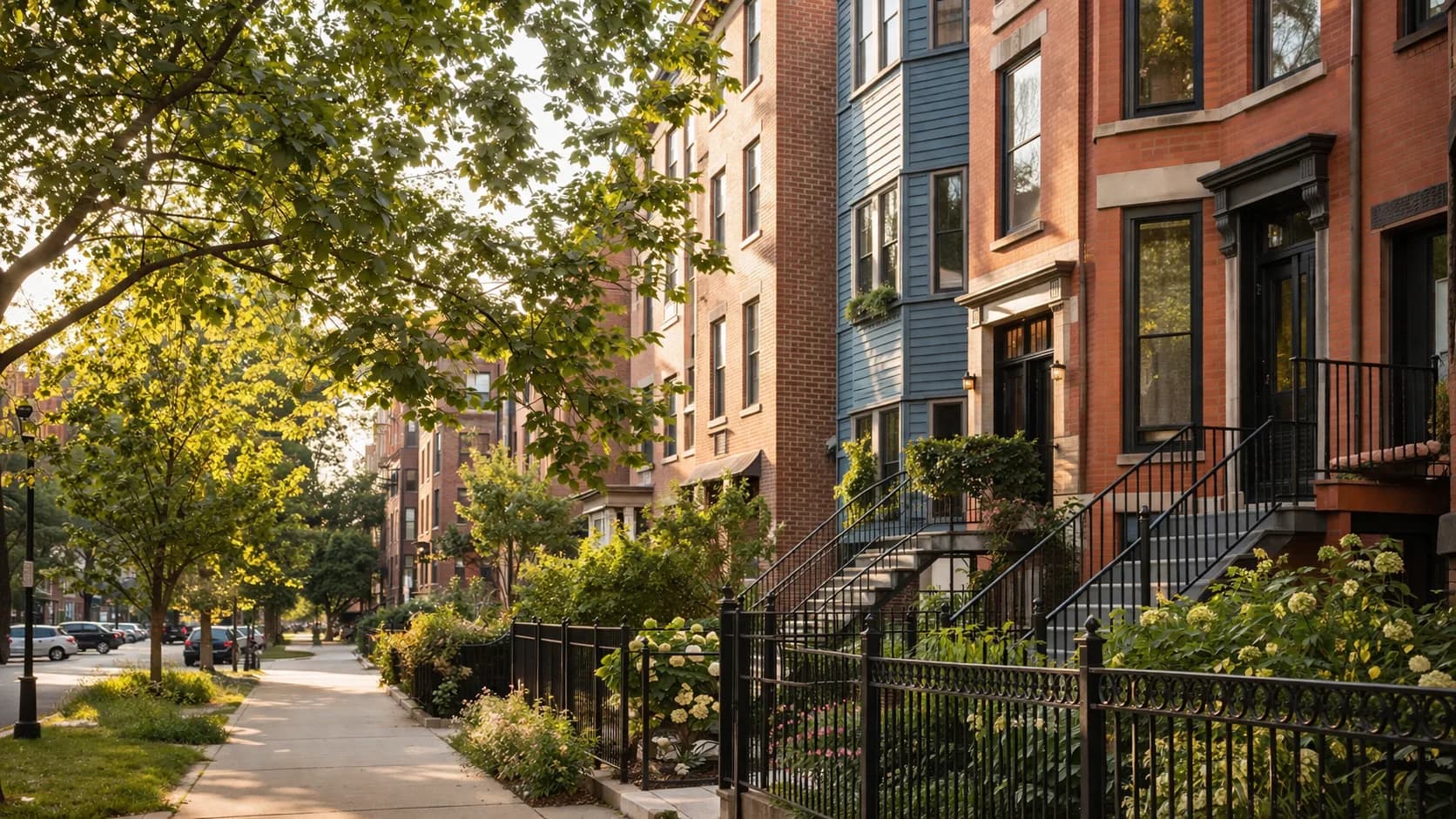
Pleasure Point, CA
Pleasure Point, CA is one of the most expensive places to live in the United States — roughly 2.2x the national average (Cost Index: 218). The housing market drives nearly all of that premium: the typical home here is valued at $1,230,200, far above the $303,400 US median. Local household income is $117,776, which should be read as place context rather than a personal salary target.
Pleasure Point already reads as a high-pressure housing market, with 26% rent burden, 10.4x home-price-to-income, and a housing index of 405. Treat this page as a stress test for rent, mortgage, and tax burden before assuming the move works.Data Sources: U.S. Census Bureau ACS 2023 · BEA RPP 2023 · Zillow ZHVI
Based on your household income, housing mode, local rent, home value, property tax, and mortgage assumptions for Pleasure Point.
Cost of Living Breakdown
Each index uses 100 as the US national average. A score of 150 means 50% more expensive; 80 means 20% cheaper.
Pleasure Point Mortgage Calculator
Pre-filled with the local median home value of $1,230,200 and California's property tax rate of 0.71%.
Household Housing Budget
Local median household income is shown only as a place-side affordability input. Personal salary, filing status, and take-home pay analysis belong in salary.city.
Property Tax in Pleasure Point, CA
California Place Tax Context
Compare Pleasure Point to Another City
Compare place-side costs such as housing, rent, groceries, utilities, services, and tax context.
Cost of Living Comparison
Compare place-side housing, rent, goods, services, and utility pressure between cities.
Cost Index Comparison (100 = National Avg)
FAQ: Living in Pleasure Point
Is Pleasure Point, CA an expensive place to live?+
Yes — Pleasure Point is about 118% more expensive than the national average, with an overall Cost Index of 218. Housing is the biggest factor: the typical home here is valued around $1,230,200, and monthly rents average roughly $2,595. Day-to-day costs like groceries and utilities tend to run closer to the national norm.
How does Pleasure Point fit a household housing budget?+
Start with housing. Typical monthly rent is $2,595, while local median household income is $117,776. That implies a rent-burden proxy of about 26% before utilities and other costs. For a specific job offer, filing status, or take-home pay scenario, use salary.city.
How much are taxes in Pleasure Point, CA?+
California has a progressive state income tax with a top rate of 13.3%. The effective property tax rate is 0.71%. On a home worth $1,230,200, that translates to roughly $8,734 per year in property taxes. Sales tax (state + local) averages around 8.85% on everyday purchases.
How much does it cost to rent in Pleasure Point, CA?+
The typical monthly rent in Pleasure Point is around $2,595. That's about 93% higher than the $1,348 national median. For comparison, the median home value here is $1,230,200, so buyers should also factor in mortgage payments, property taxes, and insurance.
How much does a house cost in Pleasure Point, CA?+
The median home in Pleasure Point is valued at $1,230,200. With 20% down and a 6.5% mortgage rate, you'd be looking at roughly $6,221/month for principal and interest alone — before property taxes and insurance. About 57% of residents here own their homes.
Are groceries and utilities expensive in Pleasure Point?+
Grocery prices in Pleasure Point are about average compared to the rest of the US (index: 96, where 100 is the national average). Utility bills (electricity, gas, water) are below average (index: 88). Overall, these everyday costs shouldn't cause major surprises if you're moving from another similarly-sized US city.
What is Pleasure Point, CA like to live in?+
Pleasure Point is a small town with a population of about 5,813. The median age of residents is 49.7, skewing somewhat older — common in established suburban communities. The local poverty rate is 7.98%, well below the national average of 12.4%.
Lower-Pressure Alternatives in California
If Pleasure Point feels tight, start with these same-state cities that look easier on rent burden or buy-side pressure.
Higher-Pressure Comparisons in California
Use these city pages when you want to compare Pleasure Point against tougher same-state markets before deciding whether the current city is already a stretch.
- Real Estate & Housing: Zillow Home Value Index (ZHVI, Smoothed & Seasonally Adjusted) and Zillow Observed Rent Index (ZORI). Structural fallback utilizes U.S. Census Bureau ACS 5-Year Estimates.
- Goods, Utilities & Services: U.S. Bureau of Economic Analysis (BEA) Metropolitan Area Regional Price Parities (MARPP), incorporating verified State Nonmetropolitan averages.
- Mortgage Rates: Freddie Mac 30-Year Fixed Rate Mortgage Average in the United States (PMMS) via Federal Reserve Economic Data (FRED).
- Tax Context: State-level property, sales, and income-tax context used for place-side relocation planning. Personal take-home pay and offer analysis are handled by salary.city.
- Index Methodology: Weighting matrix derived from Bureau of Labor Statistics (BLS) Consumer Expenditure Surveys (CEX) distributional models. Baseline standardized at 100. (Read methodology details)